

A digital front door built for ministry
A Digital Front Door for Your Congregation
Long before someone walks through your doors, they visit your website, and what they find there decides whether they show up Sunday morning. Adwebvertising builds welcoming, easy-to-maintain sites for Houston churches, ministries, and nonprofits, so the first impression matches the community waiting on the other side.
How churches, ministries & nonprofits win online
Most first-time visitors make up their minds about a church before they ever pull into the parking lot. They check the website to find service times, see what the building and the people actually look like, and get a sense of what to expect when they walk in. Is this a place for my family? Does the worship style fit? Will I feel like an outsider? A thin, outdated, or confusing site answers those questions badly, and a lot of people who might have visited simply don't. The website isn't a side project for a ministry's outreach; for many newcomers, it is the outreach, arriving well before a greeter ever shakes their hand.
What visitors look for is specific: clear service times and locations, an honest description of what a first visit is like, real photos of the actual congregation and building rather than stock imagery, and a plain statement of what the church believes. People are quietly cross-checking all of it. Does the site's tone match what they'd expect to find in the room? Do the photos look like a congregation they could see themselves in? Is there a straightforward answer to "what happens if I bring my kids." Vague or generic answers to those questions read as evasiveness, even when nothing is actually being hidden. Beyond that first visit, the site has to keep working: giving needs to be simple enough to complete from a phone during the offering, sermon audio and video should be easy to find and share with a friend, and events and small groups need a home that doesn't require a Facebook account to discover. A congregation's digital presence is really an ongoing relationship, not a one-time launch; it should be doing quiet, steady work every week, not just the week it went live.
We also understand that ministry budgets are stewarded differently than a typical business's marketing spend. Every dollar put into a website or a logo is a dollar a congregation could have put toward missions, benevolence, or programs, and we don't take that lightly. Our approach is to build sites and materials that are honest about cost, straightforward to maintain (often by a volunteer, not a paid staff member), and built to last for years rather than needing a redesign every time leadership changes or a new sermon series launches.
What's holding you back
An outdated site signals a fading congregation
A site with last year's Easter service listed as "upcoming," broken links, or a design that looks a decade old quietly tells visitors the church is shrinking or struggling, even when the opposite is true. Digital neglect reads as decline, whether or not that's the reality inside the building.
Giving friction that costs generosity
If online giving is missing, buried on a hard-to-find page, or routes through a clunky third-party form, members and visitors who intended to give simply don't finish. Removing friction from the giving process isn't about pressure; it's about not losing generosity to a bad user experience.
Volunteer-run updates that stall
Many churches rely on a volunteer or a staff member wearing five hats to update the website, and without a simple system, updates stop happening. Stale service times, missing events, and outdated staff pages accumulate quietly until the site no longer reflects the church at all.
No clear next step for a first-time visitor
A homepage that leads with a sermon series graphic or a wall of announcements, but no obvious "Plan Your Visit" button, leaves newcomers to hunt for the basics. Every page should answer the next question a visitor has. Most sites make them work for it.
How we market churches
Welcome-first design
We design church sites around the newcomer's first questions, not the church calendar. Service times, location and parking, what to expect, and a plain-language statement of beliefs sit up front, with a clear path to plan a visit from the homepage in a click or two. Real photography of the actual congregation and building does more to build trust than any amount of polished copy, and we'd rather show your actual sanctuary and your actual people than a stock photo of a generic crowd with their hands raised.
That same welcome-first thinking carries through to mobile, where most first-time visitors are actually looking. A site that loads slowly or buries the address on a phone loses the person who was searching for a church on Saturday night before Sunday morning. We keep navigation shallow and the essentials (service times, address, and a next step) within easy reach on every page, not just the homepage.
Giving, sermons, and events built in
Online giving, sermon audio and video, and event and small-group listings are the features that turn a one-time visitor into an engaged member, so we build them as core parts of the site rather than bolted-on plugins. Giving flows are kept short and mobile-friendly; sermon archives are organized so a message from three months ago is as easy to find as last week's, and both are built to reflect well on the ministry rather than feeling like an afterthought bolted onto the site.
We also make sure the people actually running the church day to day can keep it current. A simple, well-organized content system means a volunteer can update an event or post a new sermon without calling a developer, which is what keeps a site accurate a year after launch, not just on day one. Ministries change staff and volunteers more often than businesses change vendors, so the system has to survive that turnover gracefully.
Identity and materials that unify the ministry
A church's website works best when it matches everything else the congregation puts in front of people: bulletins, banners, social graphics, and signage. For Healing the Father, a men's ministry, we built a gold-on-black identity carried consistently across the site and printed materials, so books, resources, and giving all felt like part of one deliberate, cohesive presence rather than a patchwork of one-off designs assembled over the years by whoever happened to have design software.
For ministries that need it, we bring branding and print together with the website from the start: logo, color palette, and templates that staff and volunteers can reuse for flyers, social posts, and event materials without reinventing the look every time. A consistent identity makes a ministry look established and intentional, which matters as much to a first-time visitor sizing up a flyer as it does to someone browsing the website.
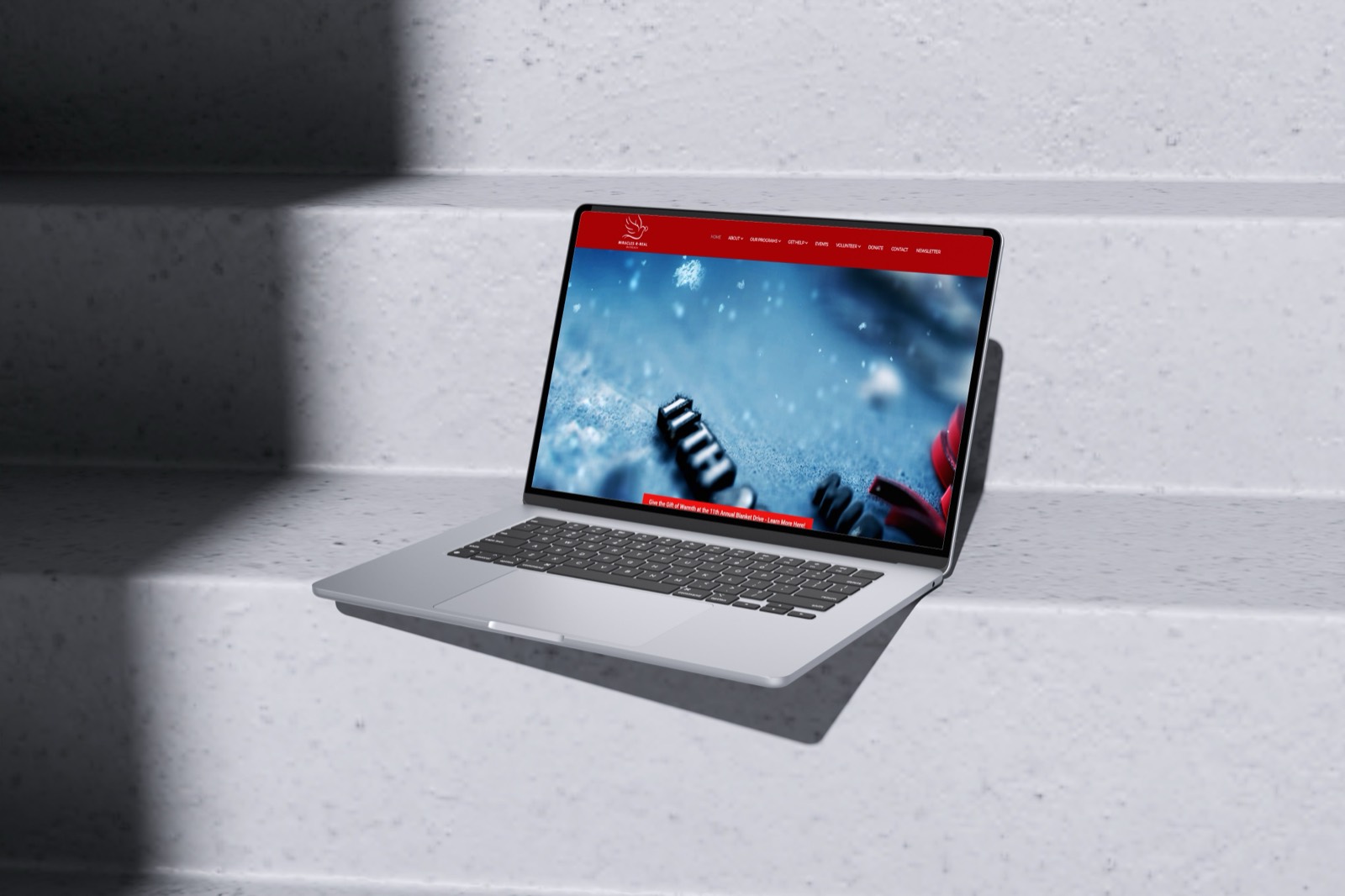
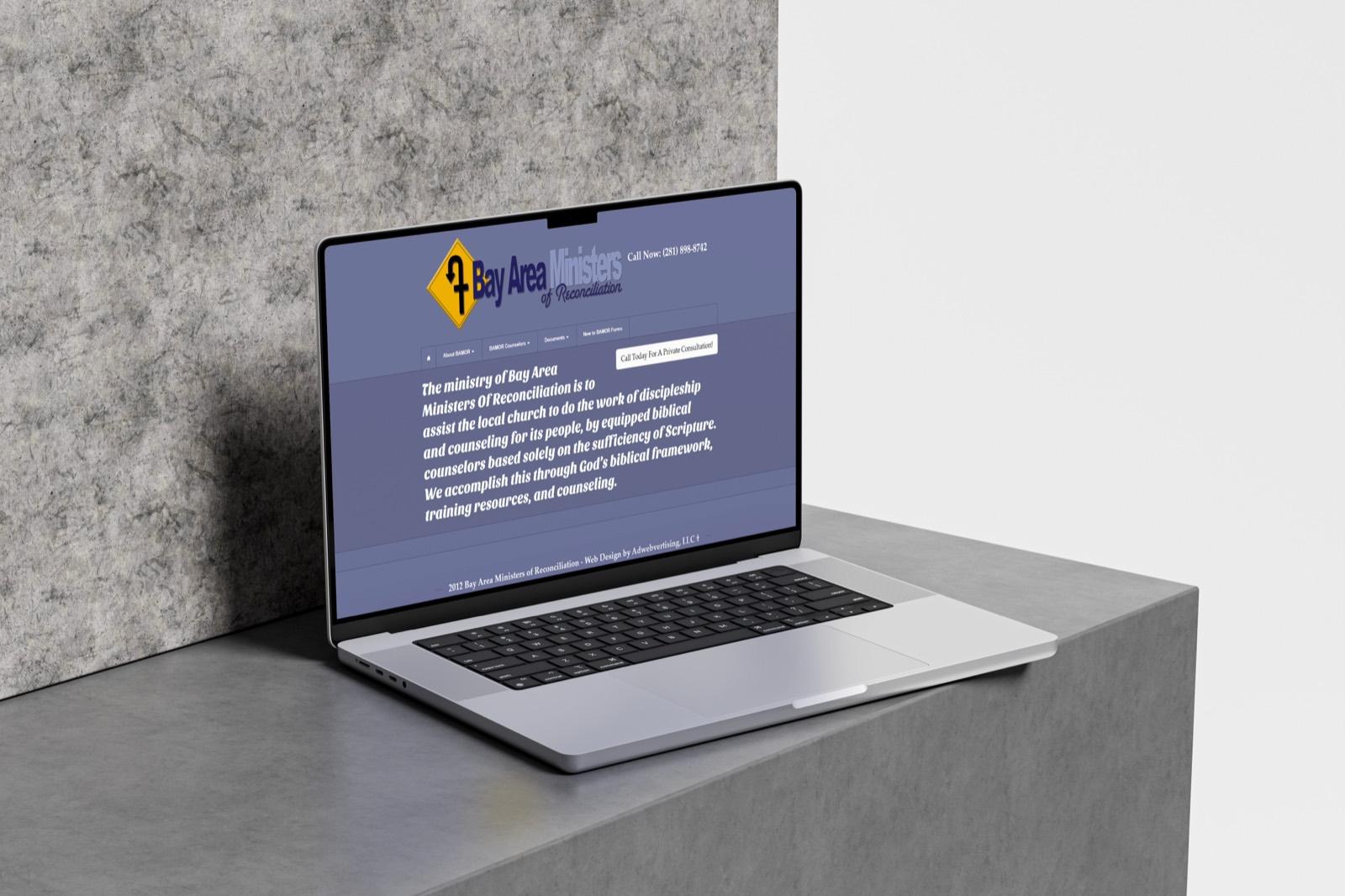
Real churches work from our portfolio
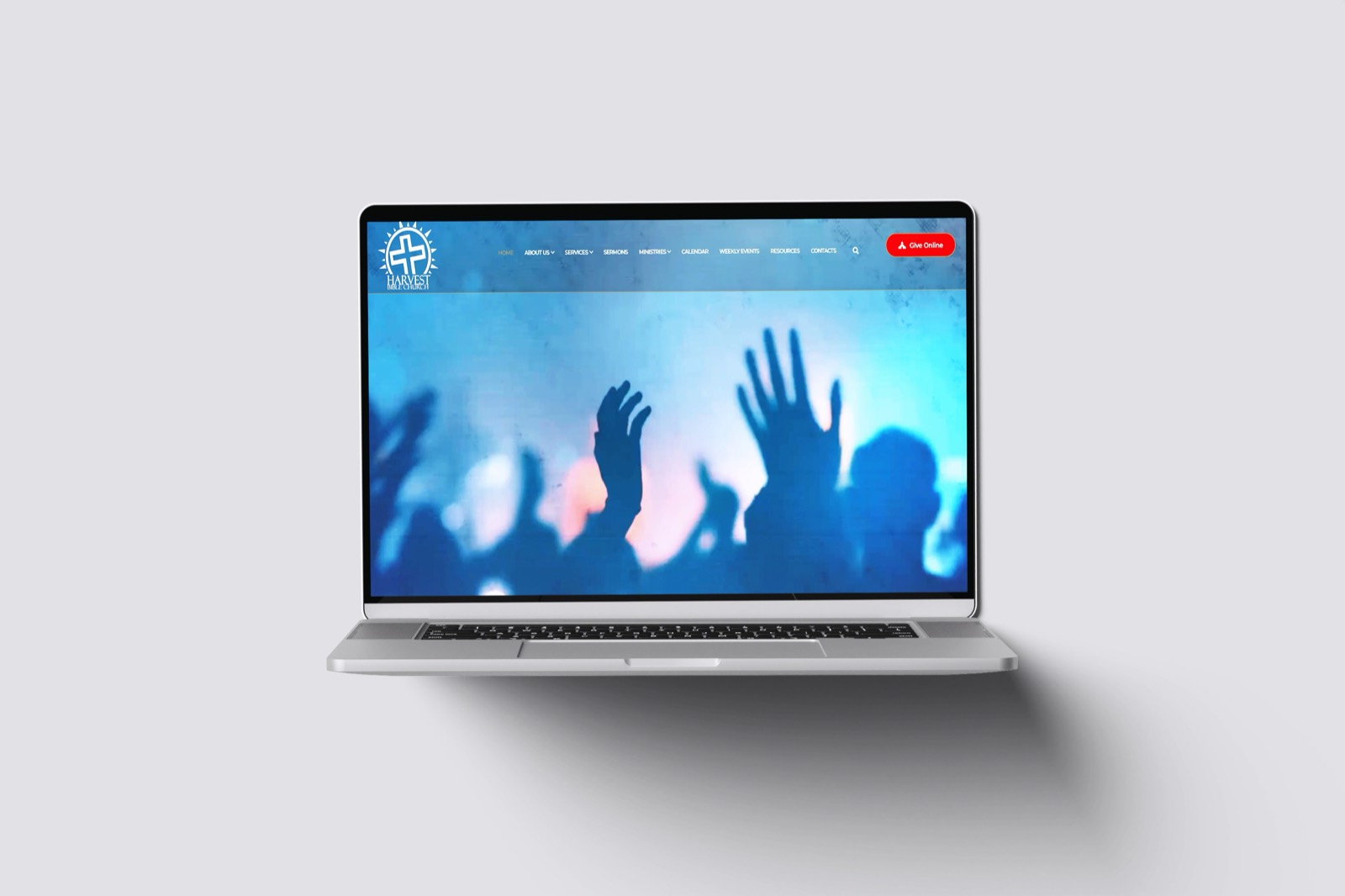
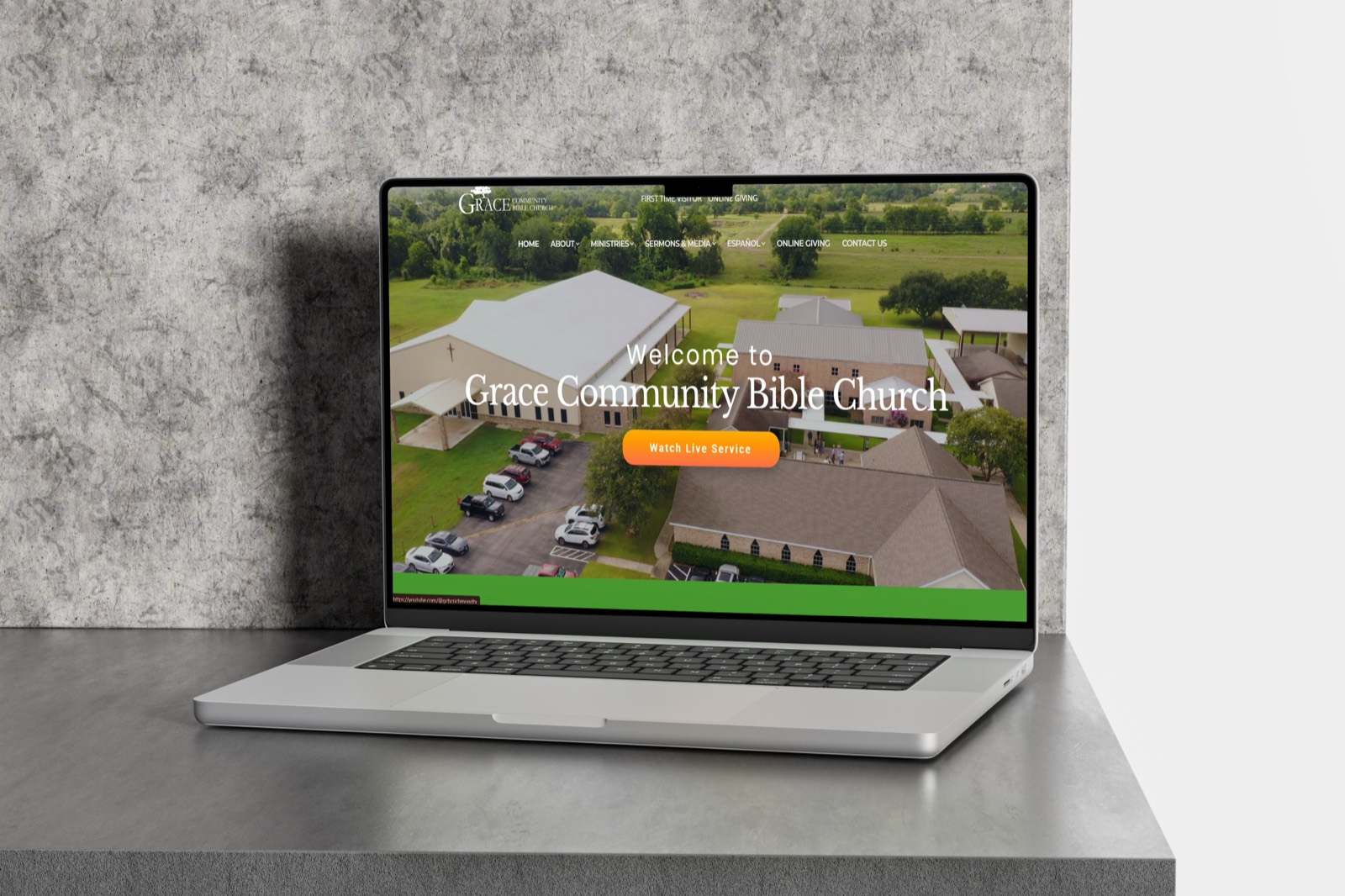
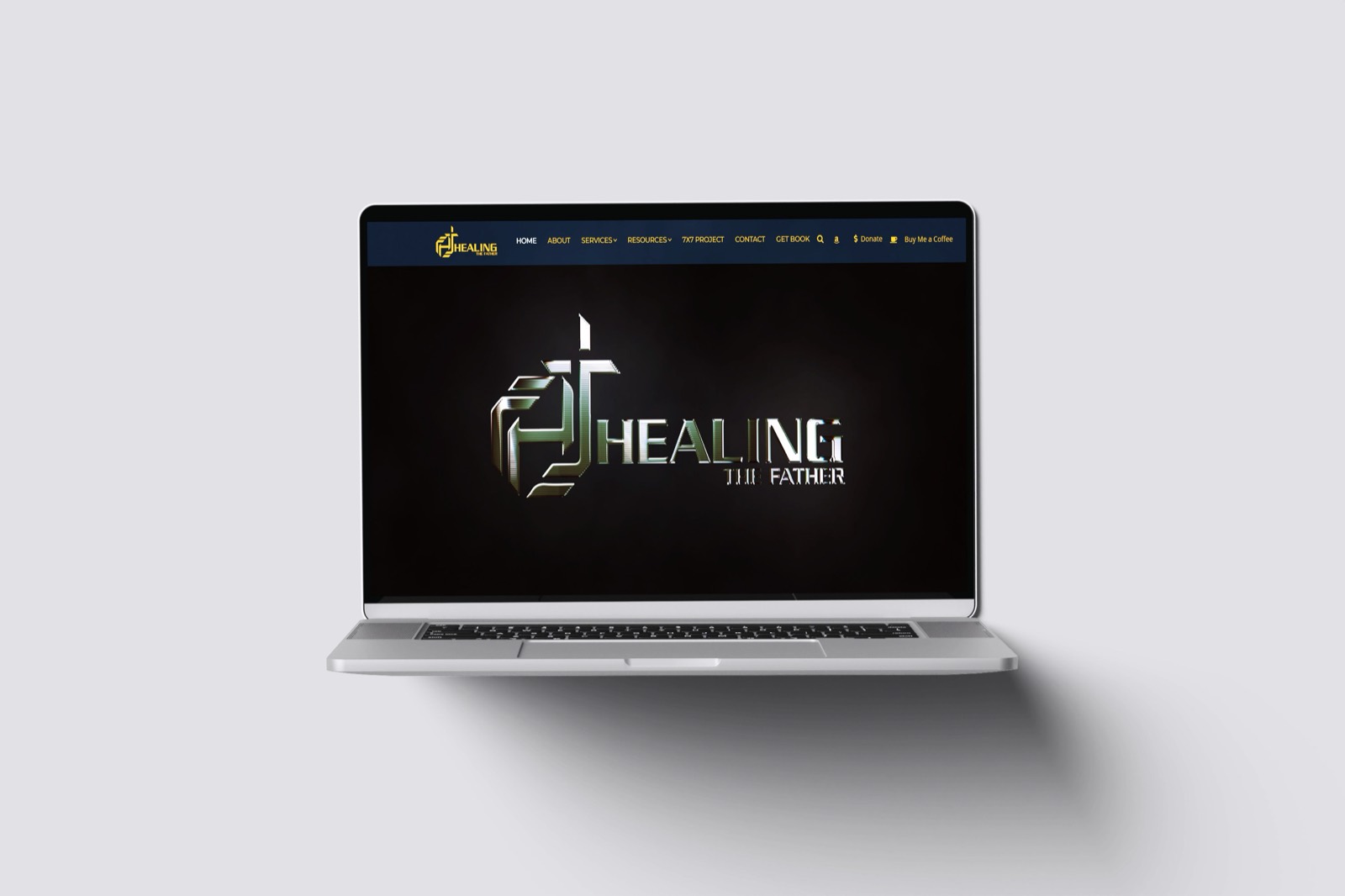
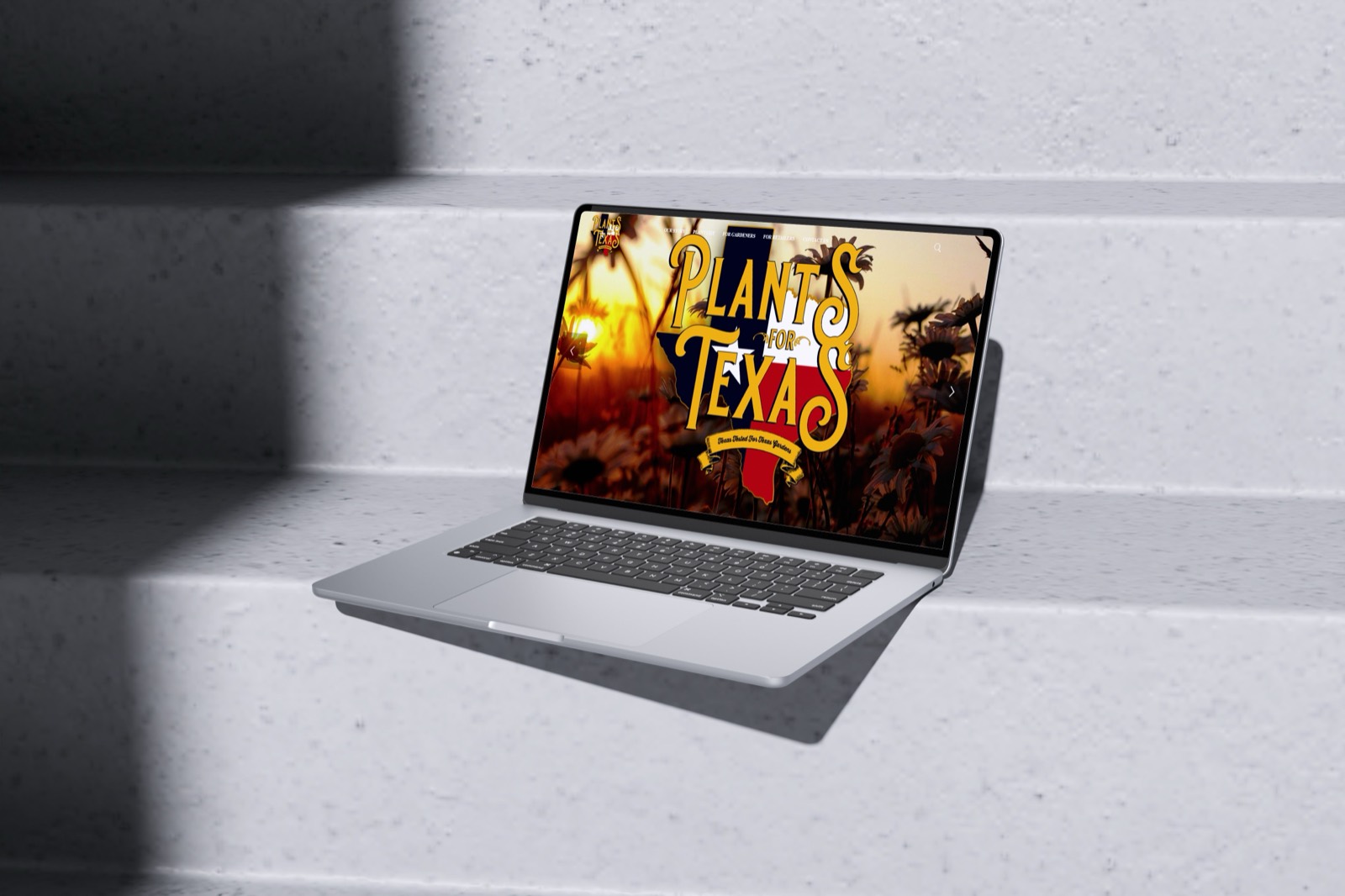
Services churches lean on most
Churches questions, answered
Do you work within ministry budgets?
Yes. We know a website or a rebrand competes with missions, benevolence, and program budgets for every dollar, so we scope projects honestly and build sites meant to last for years rather than requiring a costly redesign every couple of budget cycles. We'd rather build something right-sized and durable than oversell a congregation on features it doesn't need.
Can you add online giving to our site?
Yes. We integrate giving directly into the site so members and visitors can give from a phone in a few taps, without getting routed through a clunky, disconnected third-party page. The goal is to remove friction from generosity, not add another step to it.
Can our volunteers update the site themselves?
That's how we build it. Most churches don't have a full-time web developer on staff, so we set up a simple content system a volunteer or part-time staff member can use to update service times, post events, and add sermons without needing to know how to code.
Can you build a home for our sermon audio and video?
Yes. We organize sermon archives so a message is easy to find whether it was posted last week or last year, and we make it simple to share individual messages on social media or embed them elsewhere. A well-organized sermon library keeps drawing people back to the site long after the service ends.
Do you design church logos and print materials too?
Yes. Many of the congregations we've worked with needed a cohesive look across their website, bulletins, banners, and social graphics, not just a site. We can build the identity and the site together, or refresh materials to match an identity that already exists.
How long does a church website project take?
It depends on scope, but most church sites move from kickoff to launch within a matter of weeks, not months. Projects that include a new brand identity or a large volume of content (sermon archives, staff bios, ministry pages) take longer, and we'll lay out a realistic timeline before work begins.
One partner, every channel
A church's digital presence works best as a connected system: the website, the giving experience, and the brand identity all pulling in the same direction. Explore the services behind that system, see the ministries we've already served, or reach out to talk through what your congregation needs.
Ready to grow your churches business?
Start with a free audit of your site, search presence, and ad spend. There is no obligation, and no pressure.
Get a Free Audit