

Marketing Built for Long Sales Cycles and Serious Buyers
Industrial buyers don't click an ad and check out. They research, compare, forward your site to three colleagues, and put you through an RFQ before anyone picks up the phone. Adwebvertising builds the web presence, search visibility, and lead systems that hold up under that scrutiny: for manufacturers, energy service companies, and industrial suppliers across the Houston area and beyond.
How industrial companies win online
Industrial purchasing doesn't look like consumer purchasing, and it shouldn't be marketed like it. A plant manager sourcing a gearbox rebuild, a procurement lead vetting a precision plastics supplier, or an operations director choosing an aerospace subcontractor is working from a spec sheet, not a mood board. They're checking capabilities against tolerances, certifications against requirements, and turnaround times against a schedule that doesn't move. Multiple people usually weigh in (engineering, purchasing, safety, sometimes finance), and the vendor who makes it easiest for that whole group to say yes is the one who wins the bid, not necessarily the one with the lowest price. Nobody in that group is persuaded by a tagline; they're persuaded by evidence, and evidence takes structure to present well.
That's why credibility and findability decide industrial shortlists more than almost any other B2B category. If your site can't clearly show what you're capable of (the equipment you run, the materials you work with, the certifications you hold, the projects you've delivered), a buyer moves to the next tab. And if your site never shows up for the searches that matter (a specific repair, a specific material, a specific service area), it doesn't matter how good the capability is, because nobody found it. Industrial buyers often search in narrow, technical terms with real urgency behind them: a broken gearbox or a stalled rig doesn't wait for a quarterly ad budget. Being the answer when that search happens is worth more than most companies realize, and it's often the difference between an RFQ landing in your inbox and landing in a competitor's.
Houston sits at the center of one of the largest industrial and energy corridors in the country, which means the companies we work with aren't competing against a handful of local shops; they're competing against every fabricator, courier, and oilfield supplier within a hundred-mile radius, many of whom still have a site built a decade ago. That's an opportunity. A modern, technically sound web presence stands out fast in an industry where most competitors haven't updated theirs, and a buyer who's spent an afternoon clicking through dated, vague competitor sites notices the difference immediately when yours actually answers their questions. We build for the buyers doing the comparing, not for the scroll, because in this category, the comparing is where deals are actually won or lost.
What's holding you back
Your site undersells your actual capability
The work is precise, certified, and hard-won. However, the website reads like a placeholder. Buyers can't tell what you're actually capable of, so they assume the least and move on to a competitor who made it obvious. A vague homepage forces a buyer to guess whether you can even handle their job, and most won't bother guessing twice.
You're invisible for the searches that matter most
Someone typing "gearbox repair Houston" or "aerospace precision machining" is a high-intent buyer with a real need right now. If you're not on that first page, a less capable competitor is getting the call instead of you; not because they do better work, but because they're the one who showed up when it counted.
No system for capturing a long, multi-stakeholder buying cycle
Industrial deals don't close on the first visit. Without a way to capture and nurture a lead across weeks or months of internal evaluation, interested buyers quietly go cold, and you never know they were there, or how close you came to winning the work.
Your brand doesn't match the caliber of the work
Tight tolerances, safety records, and hard-won certifications deserve an identity that looks as serious as the operation behind it. A dated logo or inconsistent branding undercuts trust before a buyer even reads a word of copy, no matter how strong the underlying capability actually is.
How we market industrial
Capability-forward web design
We design industrial sites around the questions a technical buyer is actually asking: what do you make or fix, to what standard, at what scale, and with what proof. That means clear capability breakdowns, equipment and materials front and center, certifications where they can be found in seconds, and project or case examples that show, not just claim, what you can deliver. Every page is built to move a skeptical, detail-oriented reader closer to a yes, not to impress on first glance and fall apart under a second look.
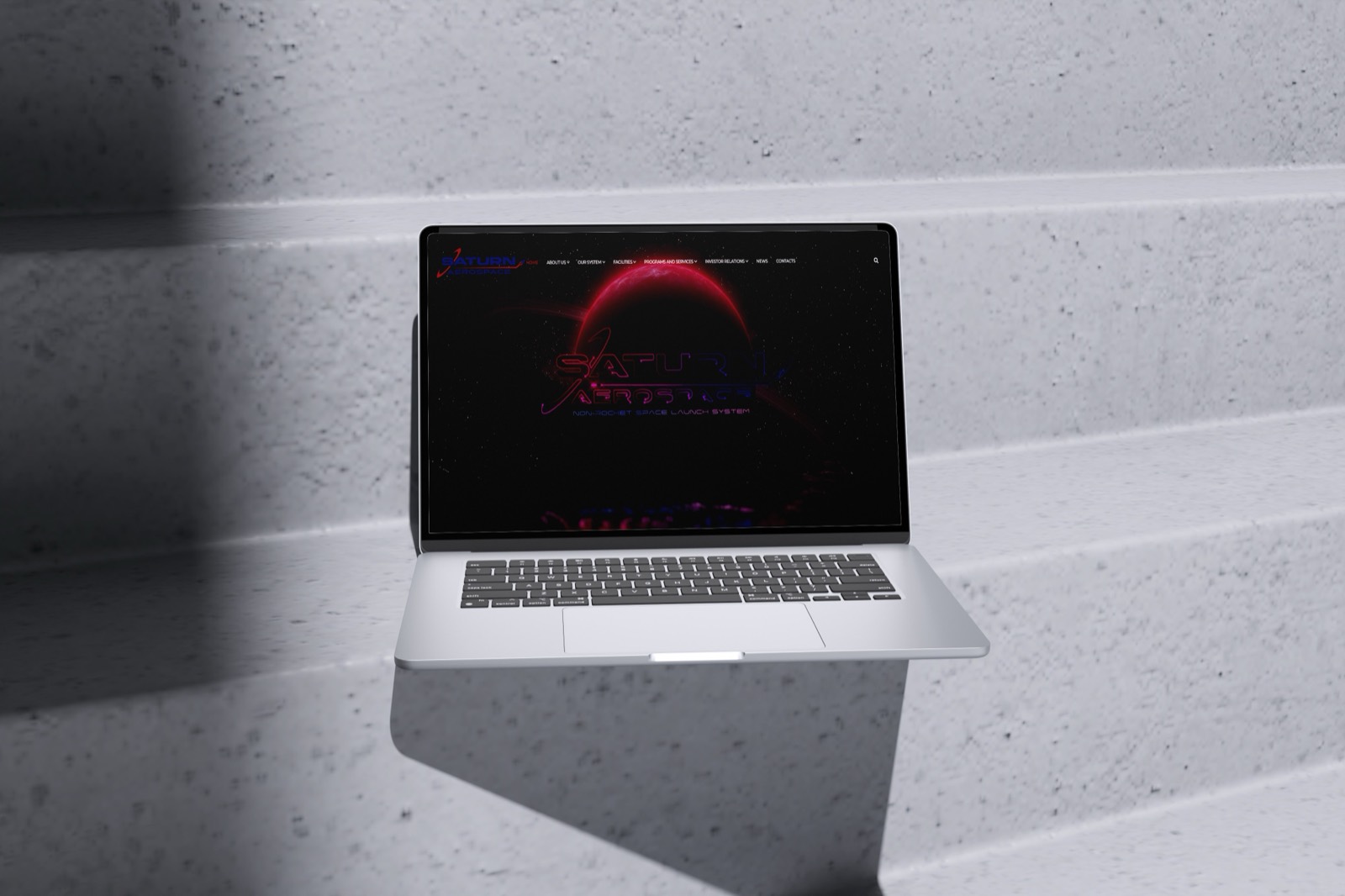
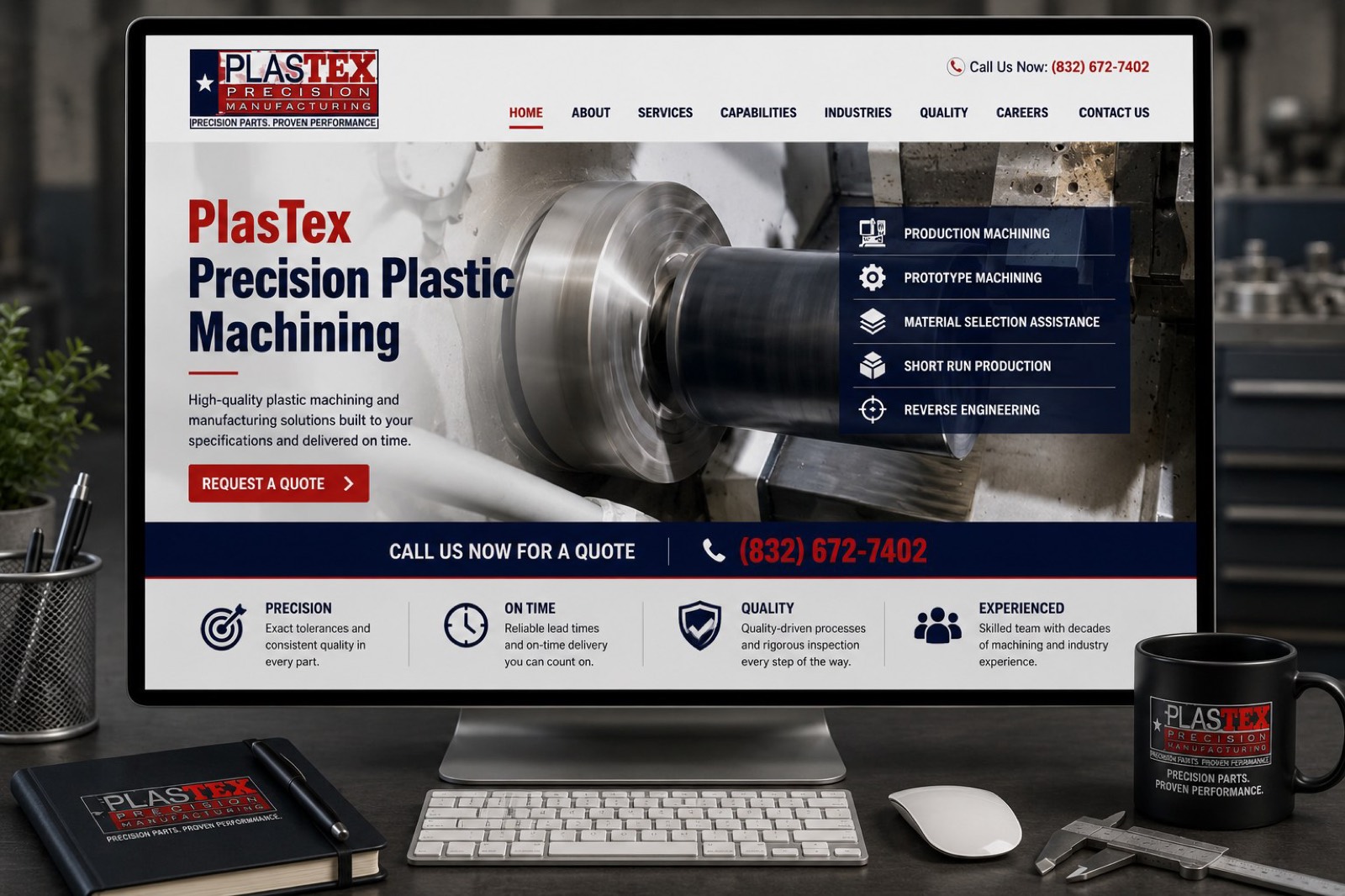
This is the same instinct behind sites we've built for clients like Saturn Aerospace and PlasTex Precision Manufacturing: structure the page the way a procurement team evaluates a supplier, so credibility builds with every scroll instead of getting buried in generic marketing language. When a site is organized around how buyers actually vet vendors, it does part of the sales team's job before the first call ever happens.
Niche technical SEO
Industrial search is narrow and specific; nobody searches "industrial solutions," they search the exact part, service, or failure they're dealing with. We do the keyword and technical work to make sure your site is the answer to those specific, high-intent queries, not just broad industry terms with too much competition to win quickly. Winning the narrow, specific search is almost always more valuable than chasing a broad one you'll never rank for.
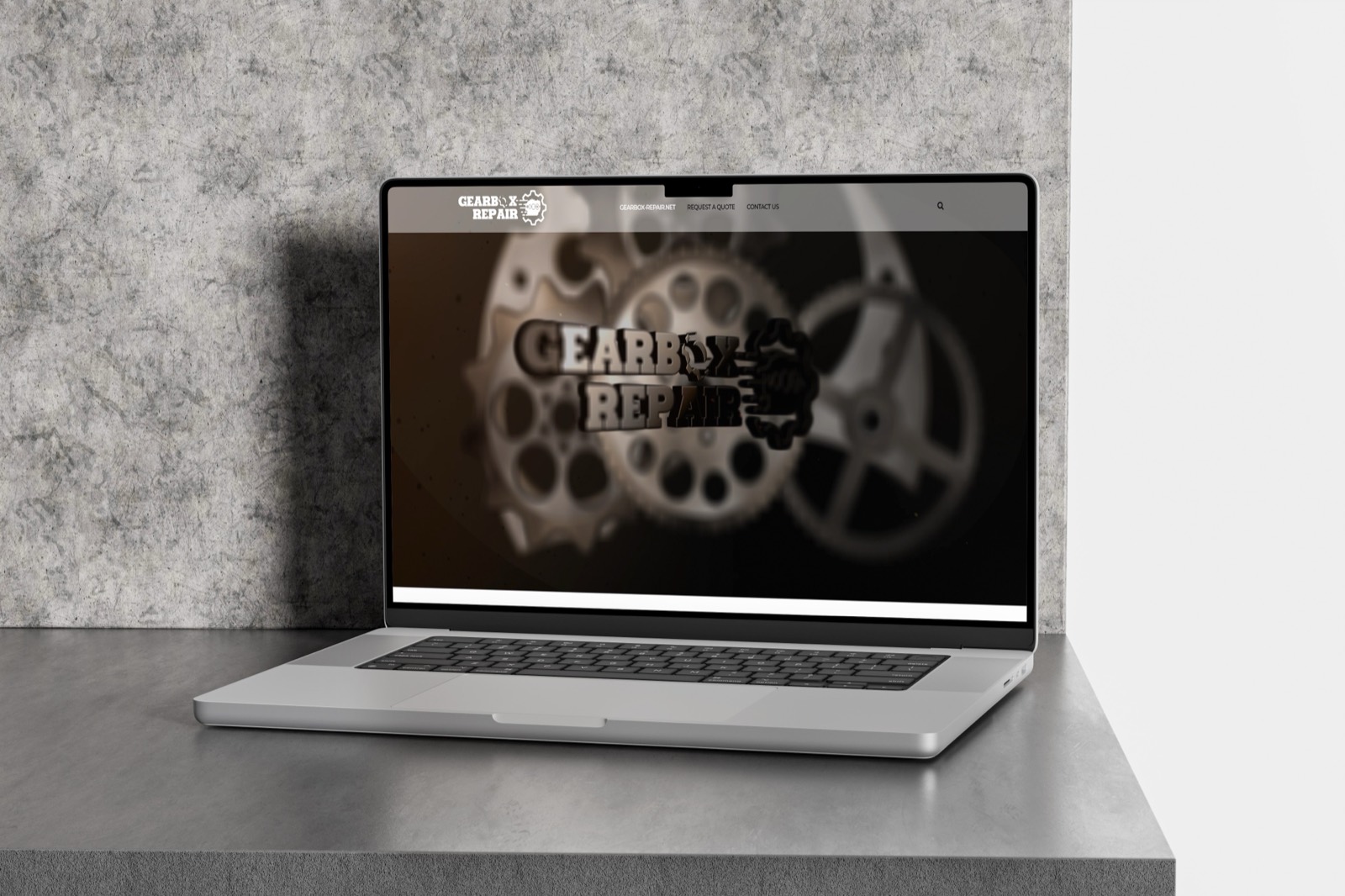
That's the model we used for Gearbox-Repair.Net. It was built to capture urgent, high-intent maintenance searches from operators who need a fix now, not a brand impression. Technical SEO (clean site architecture, fast load times, structured data) makes sure search engines can actually find and trust the pages we build, so the visibility we earn holds up rather than fading after a few months.
Identity and lead nurture for long cycles
A brand identity that matches the seriousness of the work, and a lead capture system built for a sales cycle measured in weeks or months, not minutes, keeps your company in front of a buying committee the whole time they're deciding, instead of disappearing after one visit. That consistency matters more in industrial sales than almost anywhere else, because the buyer who first found you in March may not be ready to sign until August.
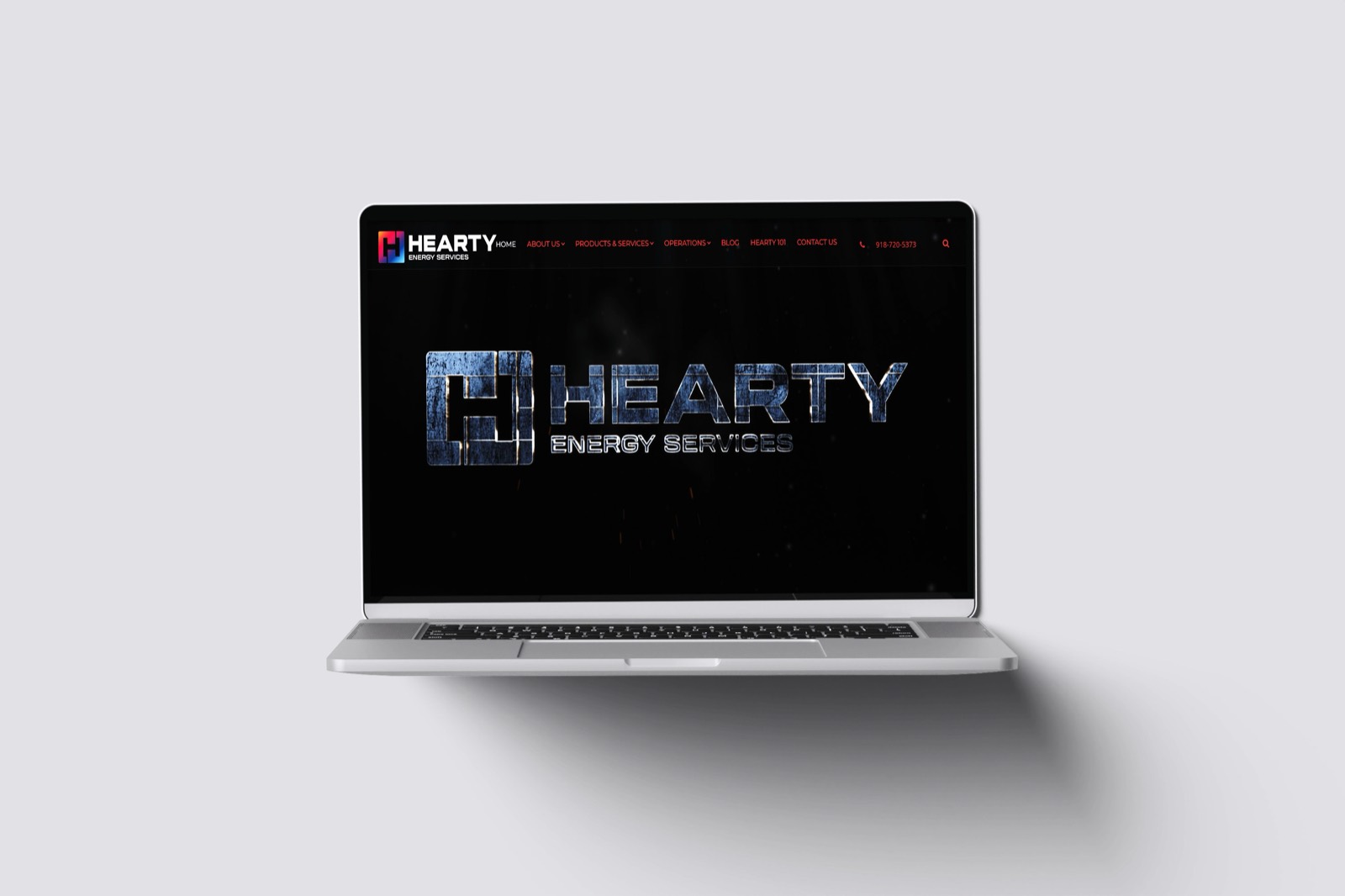
For Hearty Energy Services, that meant a safety-first identity and website built to carry an oilfield services message credibly from the first impression through the RFQ. The goal is always the same: give a multi-stakeholder buying group every reason to keep choosing you at each step of a long process, from the first search to the signed purchase order.
Real industrial work from our portfolio
Industrial questions, answered
Do you actually understand technical, industrial products?
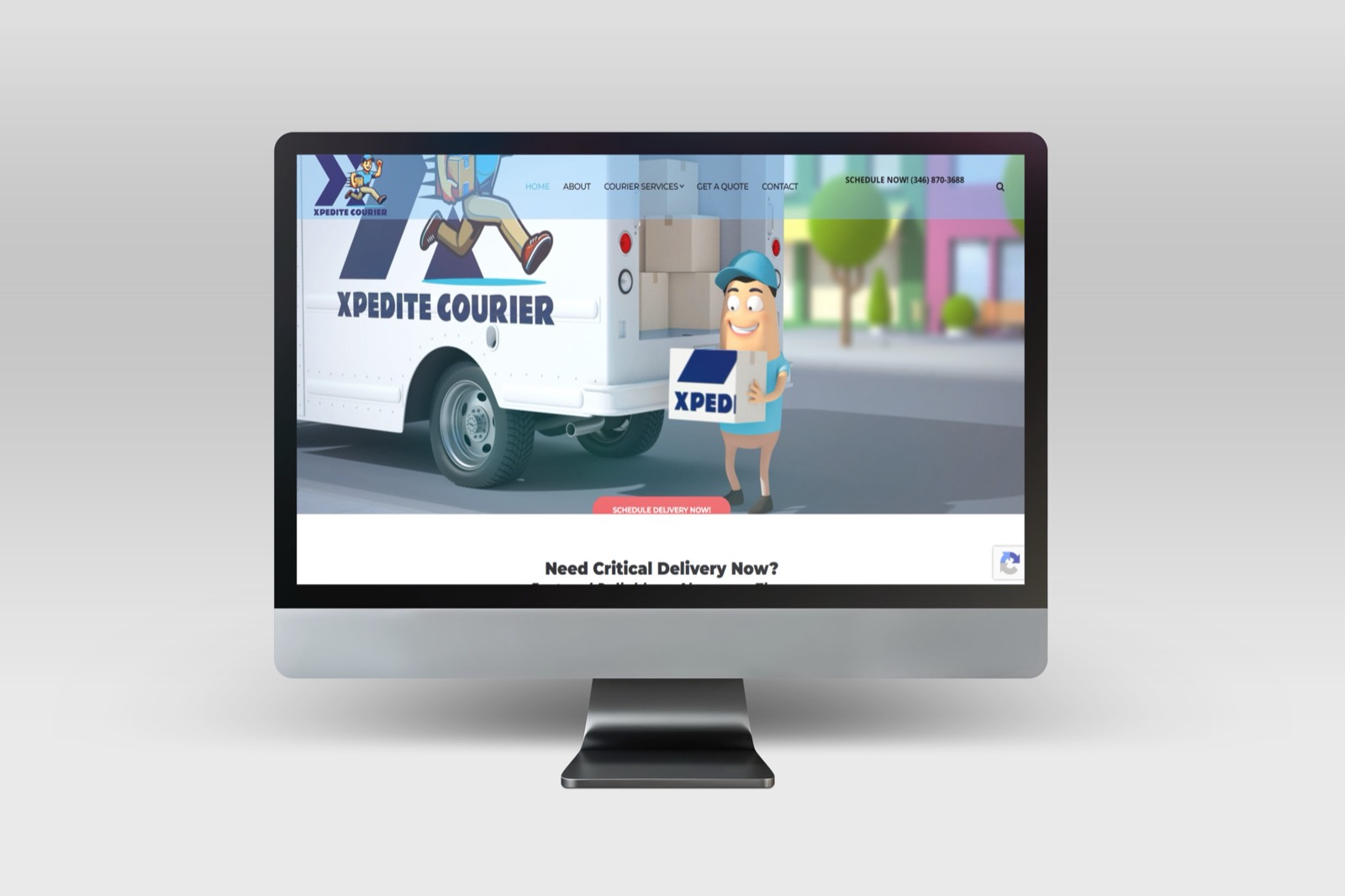
We've built sites for aerospace precision engineering, oilfield services, precision plastics manufacturing, industrial gearbox repair, and logistics. Therefore, we're used to translating technical capability into a site that reads clearly to both engineers and purchasing teams. We spend real time learning your processes, certifications, and terminology before we write a word of copy.
Can you help us generate more RFQs and quote requests?
Yes. We combine technical SEO that targets the specific searches your buyers actually use with a website structured to make requesting a quote easy at every stage, not just on a single contact page. Lead generation strategy ties those pieces together so inbound interest gets captured instead of lost.
Can you work within our compliance, safety, or brand constraints?
Absolutely. Industrial and energy clients often come with certification requirements, safety messaging obligations, or existing brand guidelines from a parent company or industry body. We work within those constraints rather than around them, the same way we did with Hearty Energy Services' safety-first identity.
How do digital marketing and trade shows work together?
Trade shows generate a burst of interest that needs somewhere strong to land. We make sure your website, follow-up materials, and lead capture are ready to convert the contacts and conversations a show produces, so that investment keeps paying off in the weeks after the booth comes down.
What's a realistic timeline for an industrial website project?
Most industrial and manufacturing sites take six to ten weeks depending on how much capability detail, project history, and technical content needs to be organized. Companies with certifications, multiple service lines, or complex product catalogs run toward the longer end; we'll give you a specific timeline after an initial scope conversation.
How do you measure ROI for a B2B industrial buyer?
We track the metrics that map to your actual sales process: qualified quote requests, ranking movement on the technical terms your buyers search, and traffic to the capability and service pages that matter most, rather than vanity metrics that don't connect to a closed deal.
One partner, every channel
Industrial buying behavior is well documented. Here's some of the research that shapes how we think about capability-driven marketing and long B2B sales cycles.
Ready to grow your industrial business?
Start with a free audit of your site, search presence, and ad spend. There is no obligation, and no pressure.
Get a Free Audit