

Marketing built on trust, not gimmicks
Marketing That Fills Schedules and Earns Patient Trust
People don't choose a therapist, a senior care community, or a wellness practice the way they choose a restaurant. They research, compare credentials, read reviews, and look for signs they can trust you before they ever pick up the phone. Adwebvertising builds the websites, local presence, and follow-up marketing that give Houston-area healthcare and wellness practices that trust; so more of the people already searching for care become booked appointments.
How healthcare & wellness practices win online
Healthcare decisions are rarely impulsive. A parent researching a pediatric speech therapist, a family choosing a senior care community, or a patient comparing wellness practices will typically visit several websites, read reviews, and check credentials before ever calling. That research phase is where most practices lose people (not because the care isn't good), but because the website or online presence doesn't give visitors the confidence to take the next step. Marketing for this space has to meet people in that research phase and answer the questions they're quietly asking: Who will actually be caring for me or my loved one? What happens at the first visit? Is this a place I can trust with something this personal?
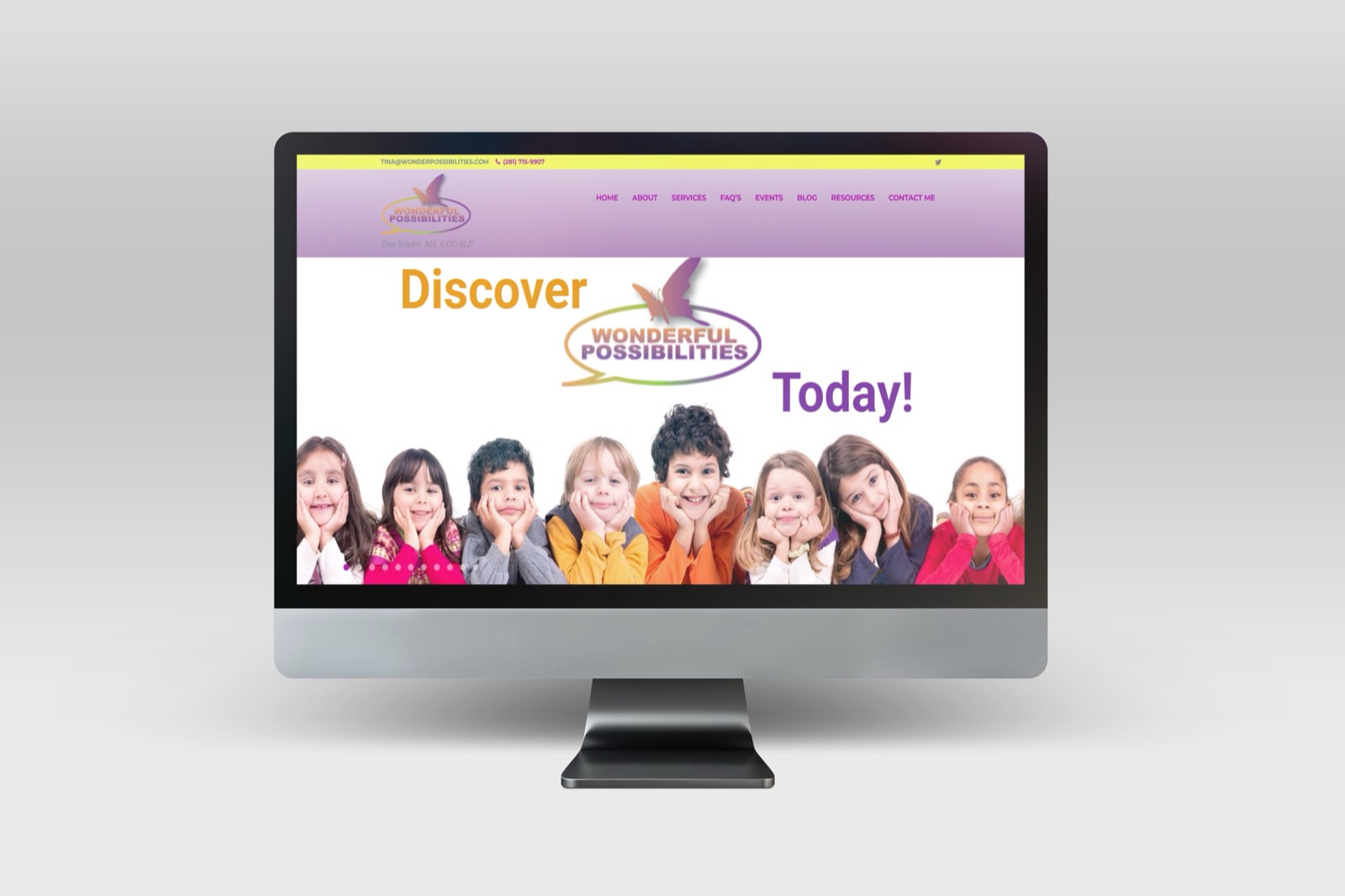
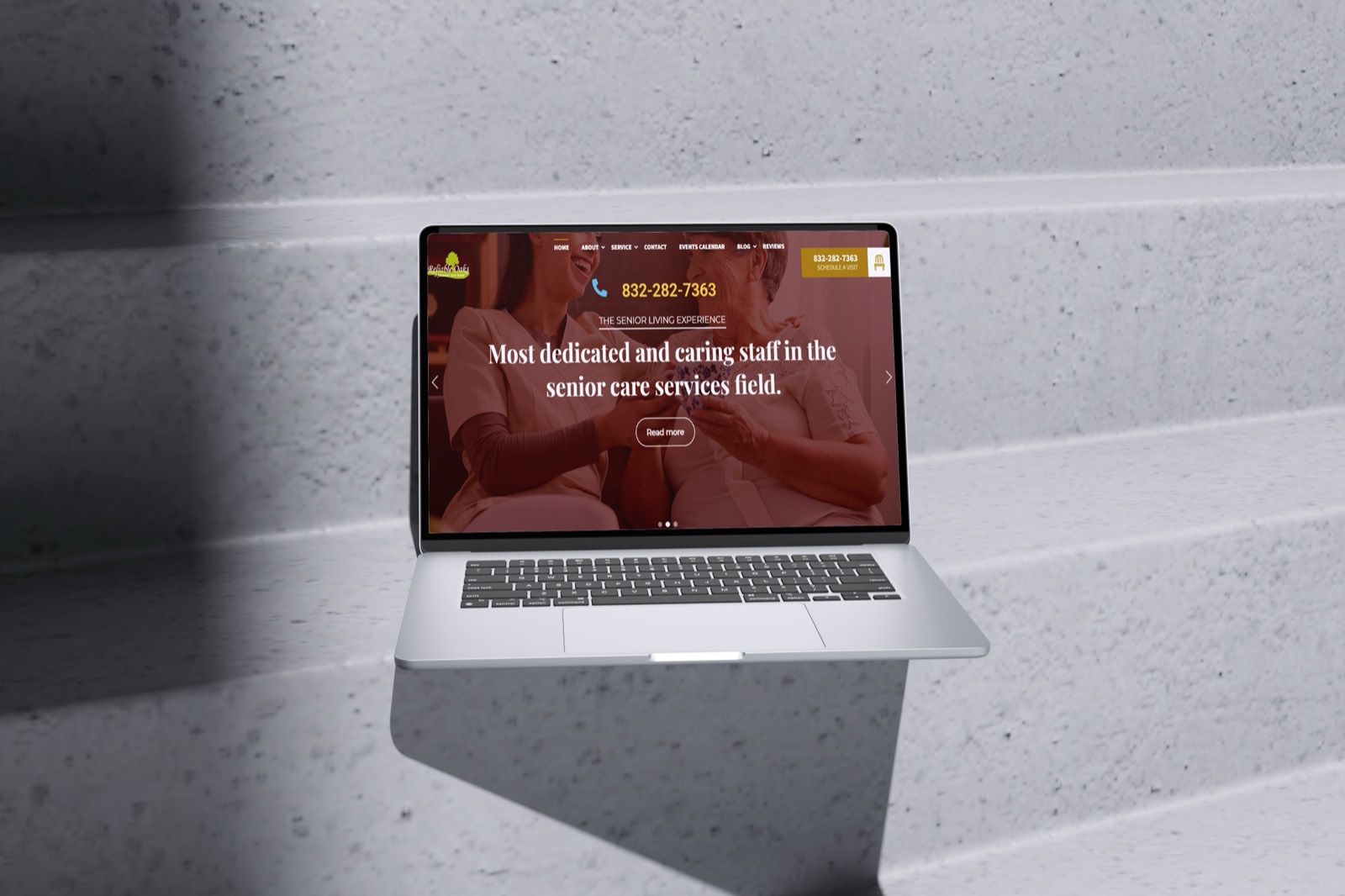
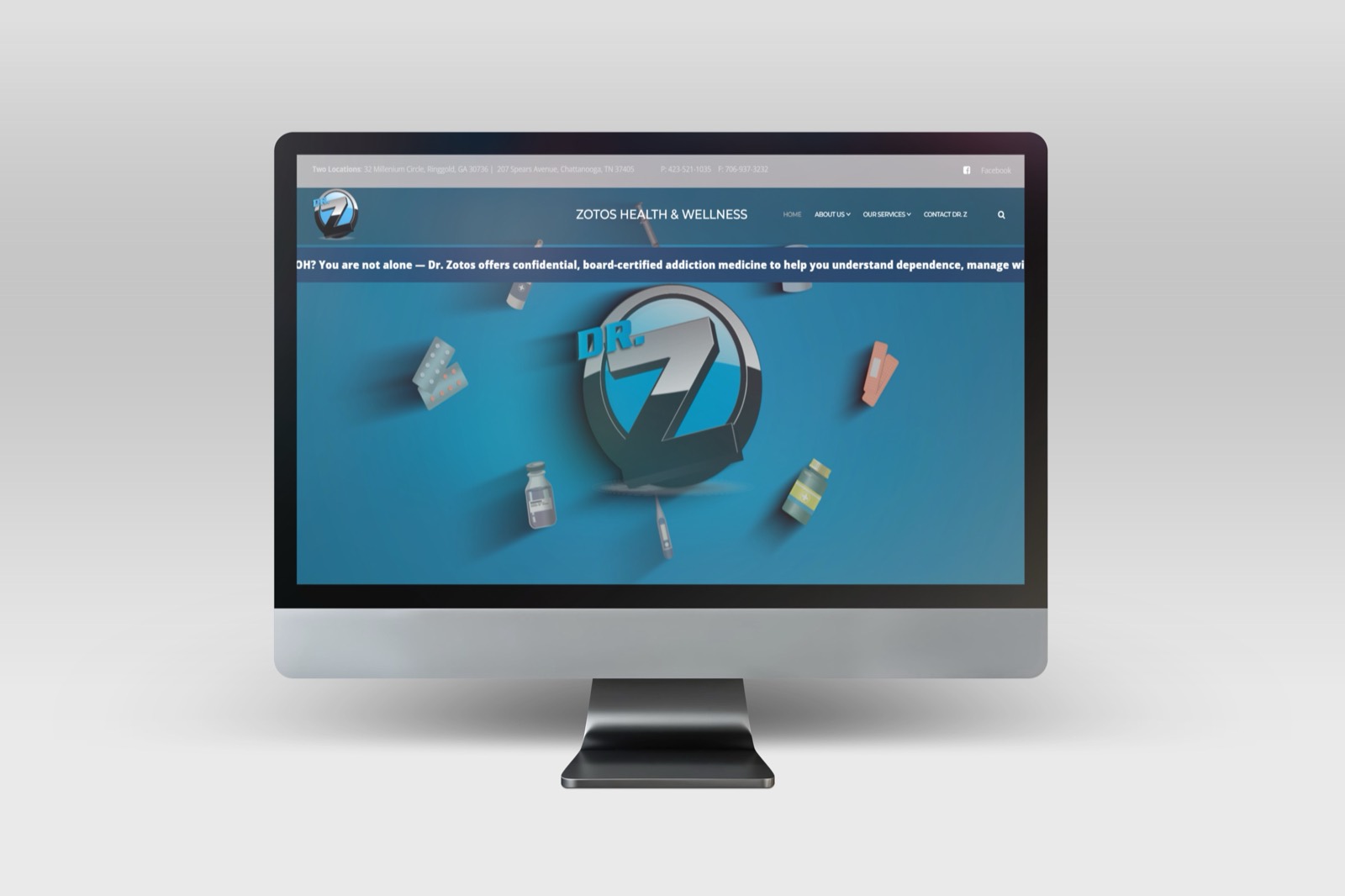
Trust signals do the deciding. Clear credentials, real photography instead of stock imagery, a warm and legible design, and genuine reviews all tell a visitor this is a place run by people who care about outcomes, not just marketing. We've built that kind of trust-first presence for practices like Wonderful Possibilities, a pediatric speech-language pathologist whose site pairs color and warmth with the credentials that reassure parents, and Reliable Oaks, a senior care community whose site balances professionalism with schedule-a-visit calls to action and family-facing reviews. We've done the same for Zotos Health and Wellness, a practice site built to turn researchers into booked appointments with a clean, trust-building design. The goal across all of them was the same: make it easy for someone to feel comfortable enough to reach out.
Healthcare and wellness marketing also carries responsibilities that other industries don't. We're careful about how we write, what we promise, and what data we ever ask a practice to share with us (our marketing systems are built to avoid handling protected health information, and we stay in our lane as marketers rather than offering compliance or legal guidance on what your practice can say or collect). Layered on top of that discipline is the practical work every practice needs: showing up when someone searches nearby, and standing out from the hospital systems and franchise chains with far bigger ad budgets. That's where consistent local SEO and a well-maintained Google Business Profile matter more than they do almost anywhere else; they're often the difference between a nearby family finding your practice or finding a competitor's instead.
What's holding you back
Clinical, cold websites
Many practice sites read like a brochure written for insurers, not patients: dense, impersonal, and short on the warmth that makes someone comfortable enough to call.
Invisible next to bigger systems
Independent practices and smaller care communities often disappear in local search behind hospital systems and national chains with much larger marketing budgets and dedicated in-house teams.
No clear path to book
Visitors who are ready to reach out hit a bare contact form or a phone number buried in the footer, instead of an obvious, low-friction way to schedule.
Reviews left unmanaged
Reviews are one of the biggest trust signals in healthcare decisions, yet most practices have no consistent system for earning, responding to, or showcasing them.
How we market healthcare
Trust-first practice websites
We design healthcare and wellness sites around the questions a prospective patient or family is actually asking: who will be caring for me or my loved one, what should I expect, and how do I get started. That means leading with real credentials, real photography where practices can provide it, and plain language over clinical jargon; the same warmth-plus-professionalism balance we built for Reliable Oaks' senior care site and the parent-friendly, color-forward site we designed for Wonderful Possibilities.
Every practice site we build gives visitors an obvious next step, whether that's a scheduling link, a request-a-visit form, or a phone number that's easy to find on every page. We keep the build itself free of any intake fields that would collect protected health information, so the marketing site stays focused on what it does best: helping someone decide to reach out. The result is a site families can actually navigate under stress; clear enough that a worried parent or an adult child researching senior care doesn't have to dig for the information that matters most.
Local SEO and reputation that compete with the big names
Most healthcare searches are local, for example: "pediatric speech therapy near me" or "senior care community Cypress TX." That's exactly where an independent practice can out-compete a hospital system if the fundamentals are right. We optimize your Google Business Profile, keep your listings and citations consistent, and build location-specific content so you show up when nearby families are searching, not just when someone already knows your name.
We also build a steady system around reviews: making it easy for happy patients and families to leave them, and helping practices respond in a way that reinforces trust for the next person reading. Reputation isn't a one-time project in healthcare; it's an ongoing signal that either builds confidence or quietly erodes it, and a practice with a thin or stale review profile loses ground to competitors who treat it as part of daily operations.
Nurture and retention, built the careful way
Once someone has engaged (filled out a general inquiry form, subscribed to a newsletter, or attended an event), automated email and follow-up sequences keep your practice top of mind without adding staff workload. We design these flows around general interest and engagement signals, never around clinical or health information, keeping protected health data entirely out of our marketing systems.
That same discipline applies across everything we build: we design the marketing, and we defer questions about what your specific practice is permitted to say, collect, or promise to your own compliance officer or legal counsel. Marketing that respects those boundaries earns trust faster, not slower.
Real healthcare work from our portfolio

Healthcare questions, answered
Are you HIPAA-conscious in what you build?
Yes. We design marketing websites, forms, and email systems to avoid collecting or storing protected health information, and we keep clinical detail out of the tools we use to run campaigns. That said, we're marketers, not attorneys. Whether a specific workflow satisfies your practice's compliance obligations is a question for your own legal or compliance counsel, and we're happy to work alongside them.
Can you write about clinical services accurately?
We work closely with your team to make sure service descriptions reflect what your practice actually offers, in plain language a patient or family can understand. We're careful never to make clinical claims or promises on your behalf. Anything describing outcomes, credentials, or treatment approaches gets reviewed and approved by your practice before it goes live.
How do we compete with hospital systems and big chains?
Independent practices win on trust and locality, not ad spend. We focus on local SEO, a strong Google Business Profile, and a website that makes your team and approach feel personal. These are the things a large system's generic location page usually can't match. A hospital network's location page is built to serve dozens of departments at once; your site can be built entirely around the specific families you want to reach, which is often what turns a nearby search into a call.
What's your strategy for patient and family reviews?
We set up a simple, consistent system for asking satisfied patients and families to leave reviews at the right moment, and we help your team respond to them in a way that reinforces trust for future visitors. Reviews are one of the strongest trust signals in a healthcare decision, so we treat them as an ongoing part of the marketing, not a one-time push.
How long before we see more appointment requests?
A rebuilt, trust-focused website and an optimized Google Business Profile typically start generating more direct inquiries within the first couple of months, since those changes are visible to visitors and search engines almost immediately. Local SEO rankings build more gradually, usually over three to six months, and continue compounding as your review base and local content grow.
We have multiple locations; can you handle that?
Yes. We build multi-location practices with a consistent site structure and individual, locally optimized pages and Google Business Profiles for each location, so every office can be found and trusted on its own in local search while your brand stays cohesive across all of them.
One partner, every channel
Healthcare and wellness marketing works best as a system: a website that earns trust, local visibility that gets you found, and follow-up that keeps engaged patients and families connected to your practice.
Ready to grow your healthcare business?
Start with a free audit of your site, search presence, and ad spend. There is no obligation, and no pressure.
Get a Free Audit