

Marketing That Turns Searches Into Seated Tables
Tonight's diner doesn't plan ahead: they search "restaurants near me" from the car and decide before they've parked. Adwebvertising builds the websites, local search visibility, and social presence that make Houston restaurants and cafes the answer to that search, table after table, shift after shift.
How restaurants & hospitality win online
Restaurant marketing runs on a different clock than most B2B categories. A diner searching "Indian food near me" or "best brunch Houston" isn't researching for next quarter; they're deciding what to do in the next twenty minutes, usually on a phone, usually with a group already waiting for an answer. Whoever looks closest, most appetizing, and easiest to trust in that moment gets the table. Everyone else gets scrolled past. That compressed decision window is what restaurant marketing has to be built around: not brand awareness for someday, but visibility and persuasion for right now. A cafe or grill can have the best food on the block and still lose the table to a competitor that simply answered the search faster.
What decides that moment is almost always the same three things: can they see the menu, does the food look good, and are the hours actually right. A PDF menu that won't load on a phone, photos that undersell the food, or hours that haven't been updated since a holiday closure will send a hungry, impatient searcher straight to the next listing, even if the food itself is better than the competitor's. The businesses that win aren't necessarily the best kitchens; they're the ones that make the online decision easy. That means a mobile-first layout, dishes that read as real, scannable content instead of a scanned page, and photography that does the selling before a single review is even read.
Underneath that moment is a bigger battleground: the Google Maps pack and the reviews that fill it, which now decide far more restaurant visits than any single website ranking. A restaurant that owns strong reviews and an optimized Google Business Profile shows up before a competitor's site ever has a chance to load. Reviews, photos, categories, and posting activity on that profile are doing as much work as the website itself, and they need to be managed with the same care. At the same time, delivery apps and social platforms are happy to rent you an audience (for a fee on every order and no ownership of the relationship). A real website is the one asset a restaurant actually owns: no commission, no algorithm change taking away reach overnight, and a direct line to guests who can be brought back with an email list or a loyalty offer instead of a 20-30% cut to a delivery platform. Building that owned channel alongside the rented ones is what turns a single good visit into a returning regular.
What's holding you back
The menu is buried in a PDF
A menu locked in a PDF is slow to load, painful to read on a phone, and invisible to Google's search results; this means it can't even rank for the dishes people are searching by name. Diners abandon it before it finishes loading and move to whichever competitor's menu just shows up on the page.
Outdated hours are killing trust
Nothing turns away a hungry visitor faster than showing up to a locked door because the listed hours were wrong. Inconsistent hours across the website, Google Business Profile, and social bios don't just cost that one visit; they teach people not to trust your information at all.
Invisible in the map pack
Most "near me" searches never scroll past the three restaurants Google shows at the top of the map. A thin Google Business Profile, few or unmanaged reviews, and inconsistent listing details keep a restaurant out of that pack entirely, no matter how good the food is once someone finds it.
Delivery-app commissions with no owned channel
Relying on delivery apps and social platforms for demand means paying a commission on every order and having zero way to reach those customers directly next time. Without a website built to capture emails, bookings, and repeat visits, every guest a restaurant wins has to be re-won (and re-paid for) from scratch, instead of becoming a regular you can reach directly the next time tables are open.
How we market restaurants
Appetite-first web design
We build restaurant websites around the things that actually make someone hungry enough to come in: the menu, the photography, and the practical details, all front and center on a mobile-first layout. No PDFs, no buried navigation; dishes and pricing live as real, searchable content that loads instantly on a phone in a parking lot, and photography is placed where it does the most persuading instead of scrolled past on a gallery page nobody finds.
Hours, location, and a one-tap call or directions button sit above the fold on every page, because a restaurant site's job is to answer the two questions a hungry visitor is silently asking: are you open, and are you close. Everything else (the story, the chef bio, the catering info) is real and worth including, but it's secondary to getting that first decision made in seconds.
Local SEO and reviews for the map pack
We optimize your Google Business Profile (categories, photos, menu links, and posting activity) and build the review generation habits that keep the map pack stocked with fresh, positive feedback, because that pack now wins more restaurant visits than any organic listing beneath it. Consistency matters as much as effort: the same hours, address, and phone number need to match everywhere your restaurant is listed, or the inconsistency itself becomes a trust problem.
Alongside that, we build out local SEO content around your cuisine, neighborhood, and signature dishes, so your site has a real answer for searches like "best cafe near [neighborhood]" or "[cuisine] restaurant near me" instead of competing only on your restaurant's name (a name most first-time searchers don't know yet).
Social and email that fill slow nights
A Tuesday night or a rainy Sunday doesn't have to be quiet. We build social media presence and email programs that turn one-time guests into a list you can message directly: a new special, a slow-night deal, an event, without paying a delivery app's commission or algorithm tax to reach them.
Owning that channel is the long-term advantage: social platforms and delivery apps can change their rules or their fees overnight, but a website, an email list, and a Google Business Profile you actually control keep working for the restaurant no matter what the platforms decide next. That's the difference between renting attention one order at a time and building demand that compounds.
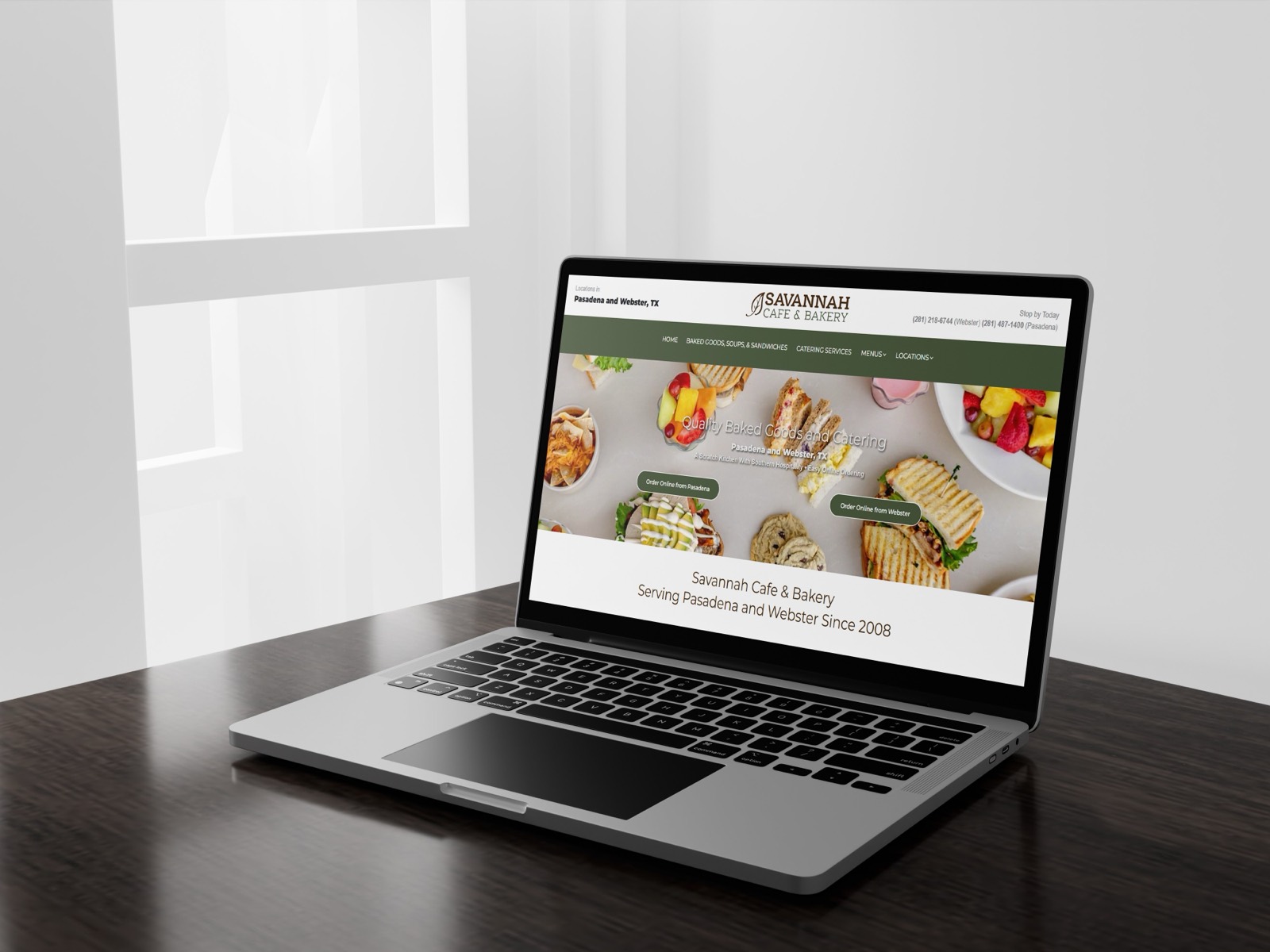
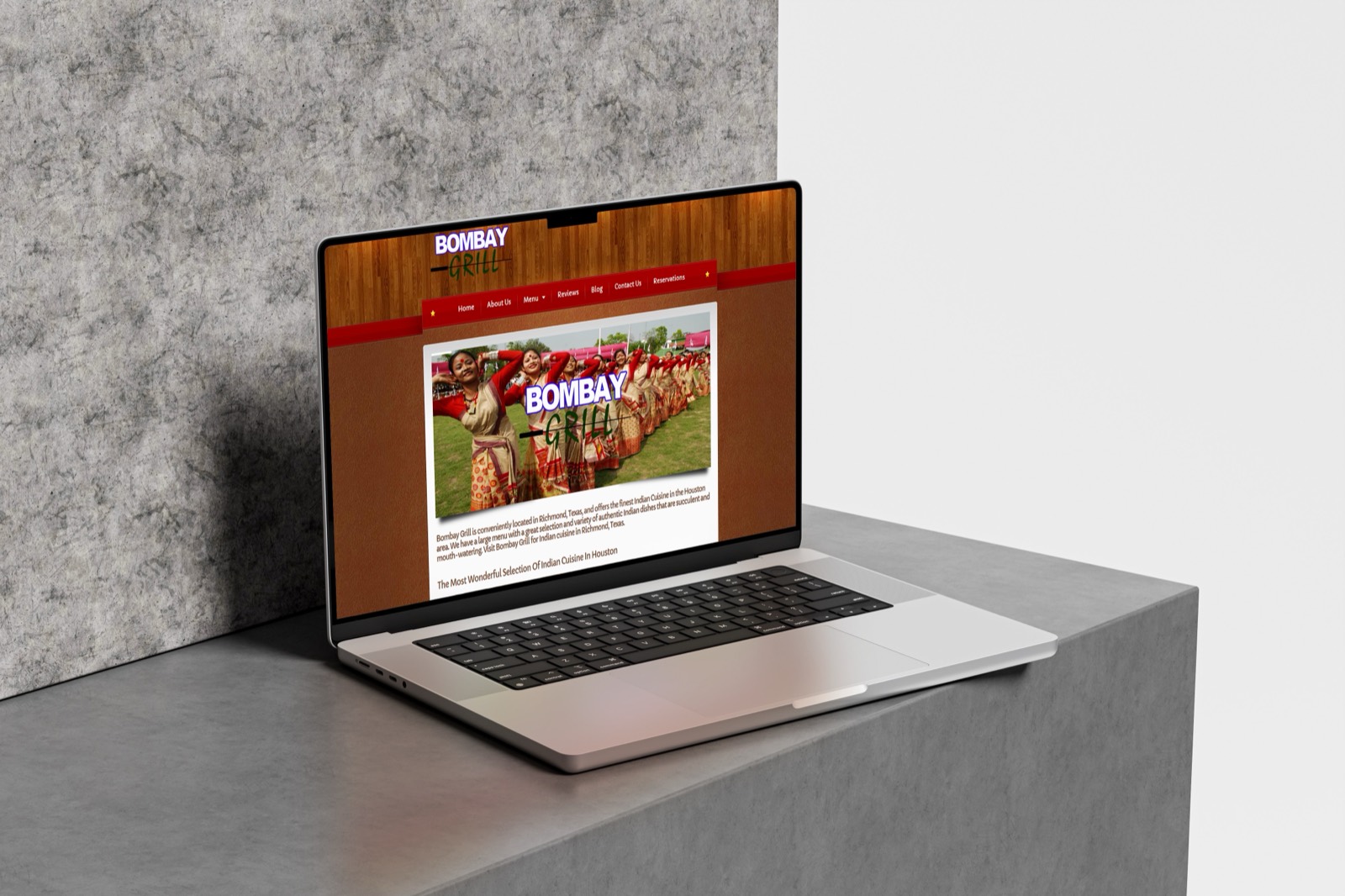
Real restaurants work from our portfolio
Services restaurants lean on most
Restaurants questions, answered
Can you make our menu easy to update ourselves?
Yes. We build menus as editable content rather than static PDFs or images, so you can update prices, add specials, or mark items sold out without needing a developer every time the kitchen makes a change.
Do we still need a website if we're active on Instagram and DoorDash?
Social and delivery apps are great for discovery, but you don't own that audience; the platform does, and it takes a cut of every order. A website is the asset that's actually yours: it can rank in search, capture emails, and send guests straight to your own ordering or reservation flow instead of a commissioned one.
Can you integrate reservations or online ordering?
Yes. We connect the reservation and online ordering platforms you already use (or help you choose one) directly into the website, so booking a table or placing an order stays a couple of taps rather than a separate app or a phone call.
How do we start ranking in the Google map pack?
It comes down to a fully optimized Google Business Profile, consistent business information everywhere it's listed, and a steady flow of genuine reviews. We handle the profile optimization and put review-generation habits in place so the map pack keeps filling with current, positive feedback.
Do you handle food photography?
We can coordinate photography as part of a web design engagement, and we know how to place and crop the images you provide so dishes look their best across every device. Strong food photography is one of the highest-leverage pieces of a restaurant site, so we treat it as a priority, not an afterthought.
We have multiple locations. Can the site handle that?
Yes. We build multi-location restaurant sites with individual pages per location, each with its own hours, menu variations, address, and map, so every location can rank in its own neighborhood searches instead of competing against each other for the same page.
One partner, every channel
A restaurant's marketing works best as a system: a site built to convert hungry visitors, a Google presence that wins the map pack, and social and email channels that bring guests back. Explore the services behind that system or see the Houston restaurants we've already built it for.
Ready to grow your restaurants business?
Start with a free audit of your site, search presence, and ad spend. There is no obligation, and no pressure.
Get a Free Audit